Welcome to Yorkshire
History • May 14th, 2026
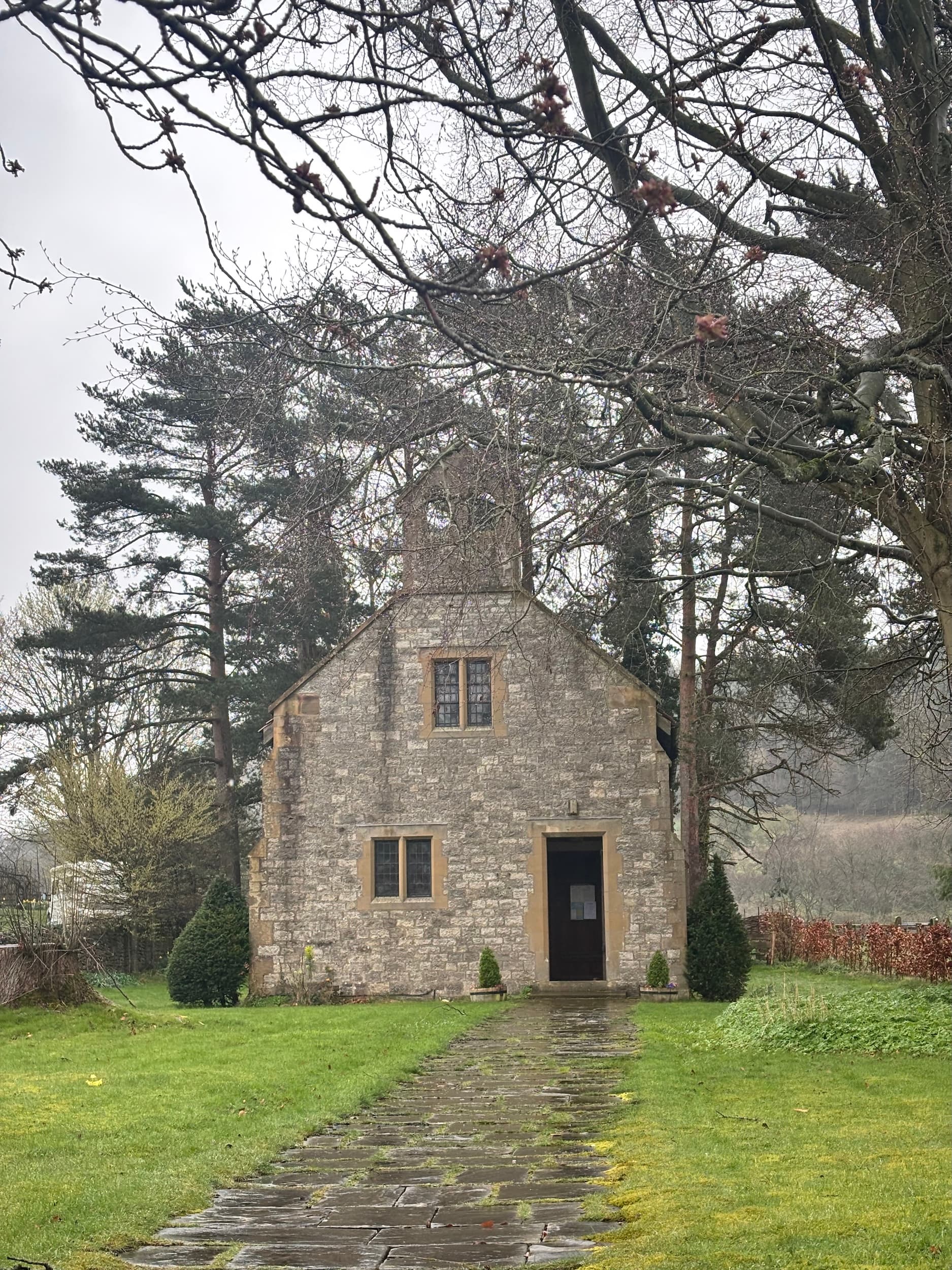
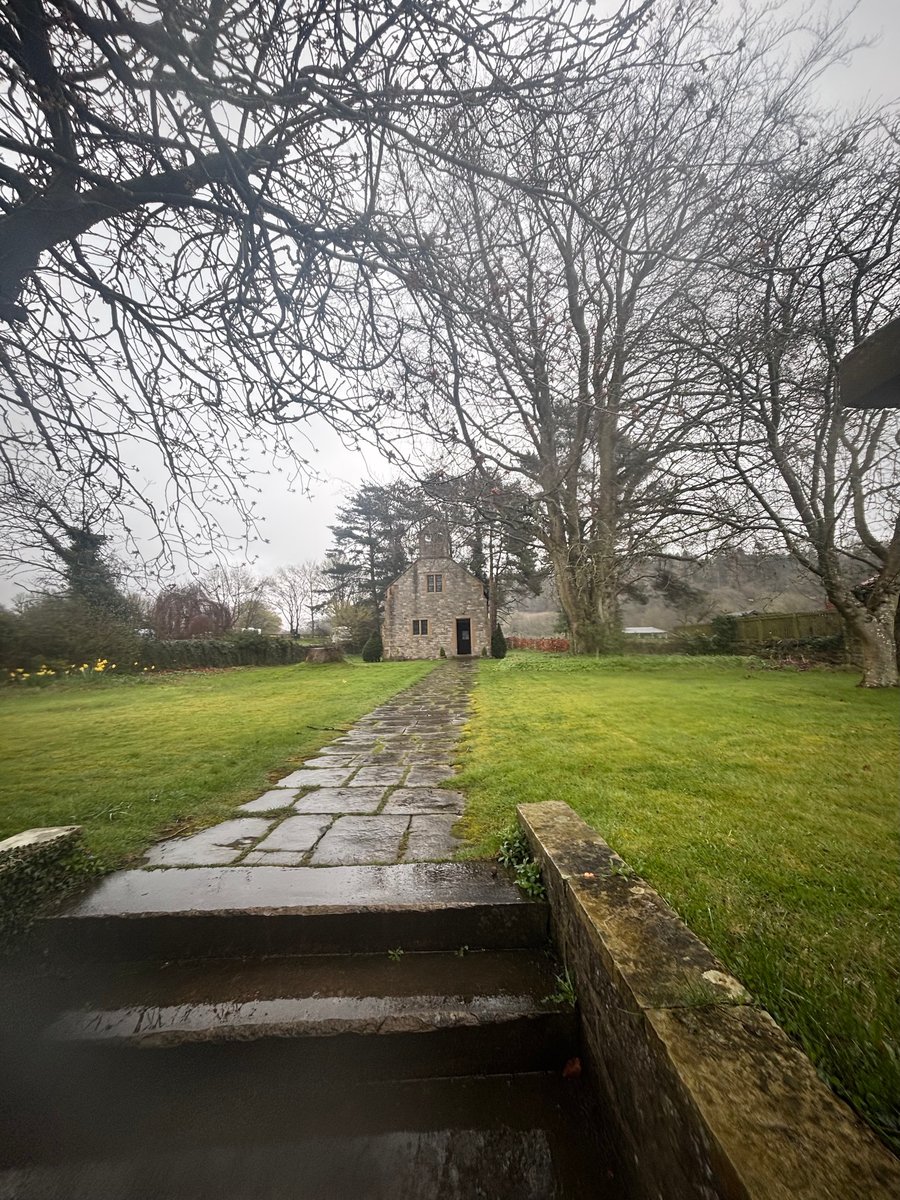
|St Chad’s Church stands quietly on the edge of the village of Hutton-le-Hole, serving as a chapel-of-ease to St Mary’s at Lastingham. Today, it appears a natural part of the village landscape, but for most of Hutton-le-Hole’s history, there was no church here at all. Until the end of the 19th century, local worship took place in the village schoolroom.
The first step towards a permanent church came in 1901, when the parish bought a disused Congregational chapel known as Zion Chapel. Standing beside the site of the present building, it was rededicated as St Chad’s and became the village church. For more than thirty years, it served the community until a new church was built nearby in 1934. The old chapel was demolished, though a reminder survives in a carved stone cross that once stood above its doorway, now built into the north boundary wall of the churchyard.
The dedication to St Chad connects the church directly with the early Christian history of Ryedale. Chad was a 7th-century monk from Lindisfarne and the brother of St Cedd. In 654 AD, the brothers founded a Celtic monastery at Lastingham. When Cedd died in 664, Chad succeeded him as abbot.
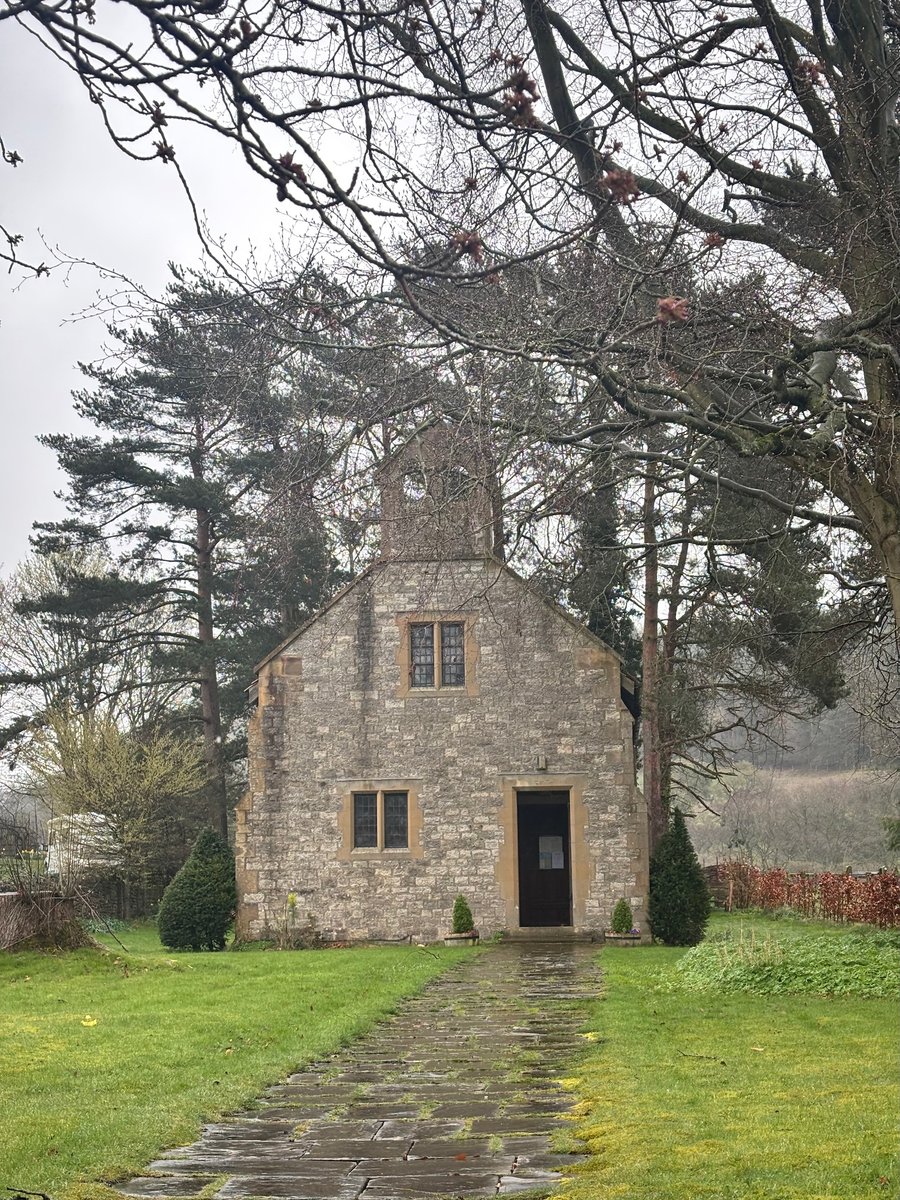
The present church is a modest building consisting of a rectangular nave with a very short chancel and a west entrance. Instead of a tower, there is a small double bellcote above the west gable. Inside, the space is plain, with wooden pews flanking a central aisle and an unusually high chancel arch. One striking feature is the complete absence of an east window behind the altar, which is a rare arrangement in an Anglican church.
Many of the church’s furnishings have been gathered from elsewhere. The wooden altar is topped with a stone mensa, while behind it stands an oak reredos brought from Welburn Hall near Kirkbymoorside. The altar rails, made by the Yorkshire craftsman Robert “Mouseman” Thompson, came from Douthwaite Hall. The font and lectern were brought from Ryton Church, and the oak pews once stood in All Saints’ Church, Kirkbymoorside.
Among the older fittings is a small organ dating from the 1860s. It came from a Methodist chapel near Scarborough, though it probably began life as a chamber organ in a private house. Post-war stained glass adds colour to the sanctuary, with St Chad depicted on the north wall and scenes of the Crucifixion and the Annunciation on the south.
Address: St Chad’s Church, Main St, Hutton-le-Hole, York YO62 6UB, United Kingdom
Books by Dr Emma Wells #ad
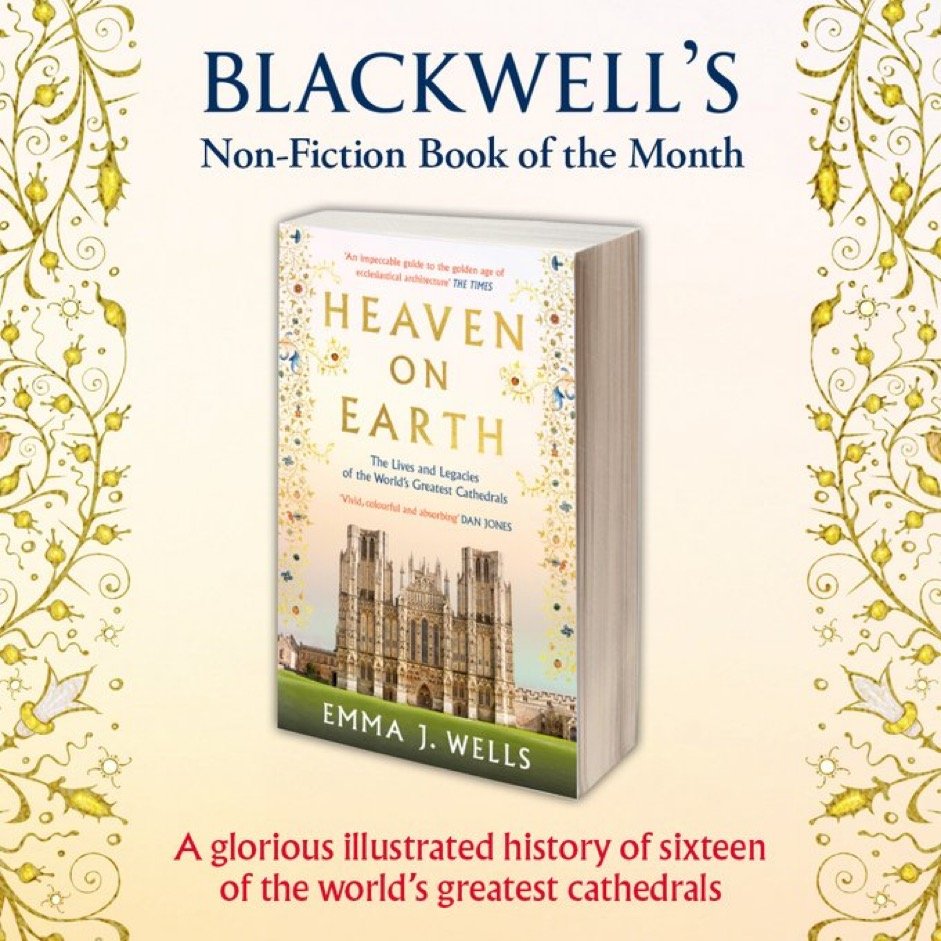
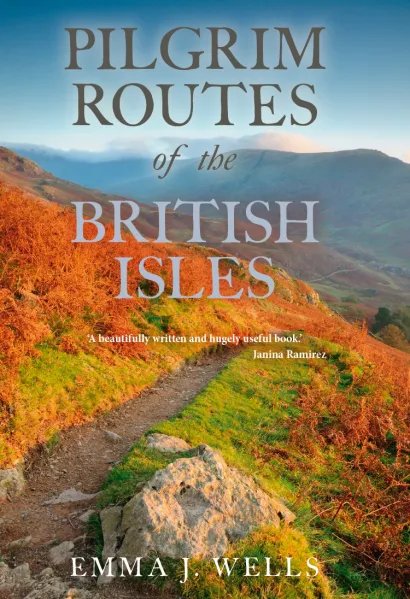

Emma Wells
Dr Emma Wells has appeared as a historian on Yesterday, Curiosity Stream, Viral History, From the Dales to the Sea – A Great British Story, and as a ‘Don’ on BBC Radio 4’s The 3rd Degree and much more. Her first book, Pilgrim Routes of the British Isles, was released in 2016, and her most recent book Heaven On Earth: The Lives & Legacies of the World’s Greatest Cathedrals, was published in 2022.
View all articles →